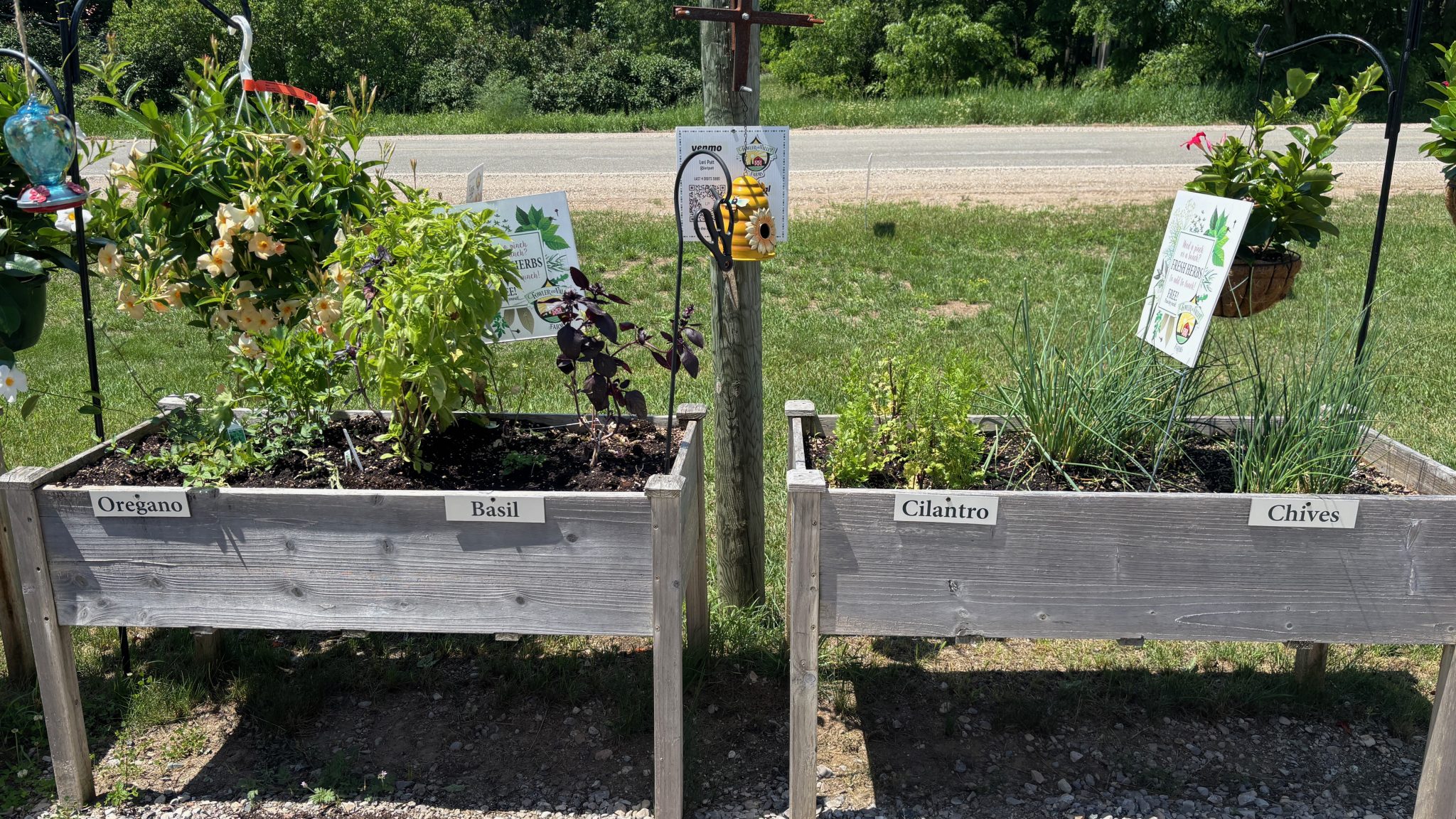
This raised bed garden plan for beginners uses one four-by-eight-foot wooden frame that fits in almost any yard. You will plant five easy vegetables that produce food all summer with less than two hours of weekly work. Pick a spot that gets at least six hours of direct sunlight each day and sit the frame on flat ground.
What to Plant in a Raised Bed Garden Plan for Beginners
The best setup for a first-year bed gives every vegetable its own zone so tall plants do not block the light from smaller greens. Traditional backyard gardening often wastes space on walking paths, but a four-foot wide frame lets you reach the center from either side without stepping on your soil.
Divide your 32 square feet of space into five clear sections across the bed from north to south:
- Back row, north side: Two indeterminate tomato plants spaced two feet apart, each supported by a sturdy six-foot wooden stake.
- Center left section: Three sweet bell pepper plants set eighteen inches apart in a single row.
- Center right section: Four bush bean plants set nine inches apart, which will give you snap beans in fifty days.
- Front left corner: Two rows of loose-leaf lettuce spaced six inches apart for quick salads.
- Front right corner: Twelve carrot seeds sown in two rows, thinned down to three inches apart once they sprout.

The Exact Soil Mix You Need
Fill your bed with an equal mix of three parts: one third coarse peat moss or coconut coir, one third coarse horticultural vermiculite, and one third blended compost from cow manure, chicken manure, and mushroom compost. A bed that measures four feet wide, eight feet long, and twelve inches deep holds exactly thirty-two cubic feet of soil.
Buy ten bags of compost at one cubic foot each, four bags of coarse vermiculite at two cubic feet each, and four compressed bales of peat moss at two cubic feet each. Dump these bags onto a large plastic tarp on your lawn, mix them completely with a metal rake, and shovel the fluffy blend directly into your wooden frame.
How Much Water and Sun Do Raised Beds Need?
Your garden needs direct sunlight from morning to early afternoon to grow thick stems and ripe tomatoes. Check your selected yard space on a clear day at 9:00 AM, 12:00 PM, and 3:00 PM to confirm the sun shines on the dirt without tree shadows. Water the bed early in the morning around 7:00 AM before the heat of the day arrives.
- April and May: Soak the soil with two gallons of water every three days if it does not rain.
- June through August: Pour three to four gallons of water directly at the base of the plants every other morning.
- Test the soil: Push your index finger two inches down into the dirt. If the tip feels dry, give the bed a deep soaking.
- Avoid the leaves: Always aim your hose nozzle at the ground surface to keep wet leaves from catching mold.
Weekly Checklist to Keep Plants Healthy
Set a timer on your phone for twenty minutes every Tuesday and Saturday morning to inspect your plants. Regular weekly care stops weeds before they take over and catches pest problems when they are small and easy to fix by hand.
Follow these quick maintenance jobs to keep your vegetables producing until the first frost in autumn:
- Pinch tomato suckers: Snap off the tiny green shoots that sprout between the main stem and side branches once every week.
- Pull stray weeds: Grab weeds down at the root line while the soil is damp and pull them straight up.
- Pick ripe vegetables: Harvest leaf lettuce from the outside of the head so the center keeps growing more food.
- Add summer mulch: Spread a two-inch layer of clean straw over the bare dirt in June to keep the soil moist.
- Feed hungry crops: Sprinkle one cup of organic balanced granular fertilizer around the base of the tomato and pepper plants every four weeks.
Comments
Post a Comment