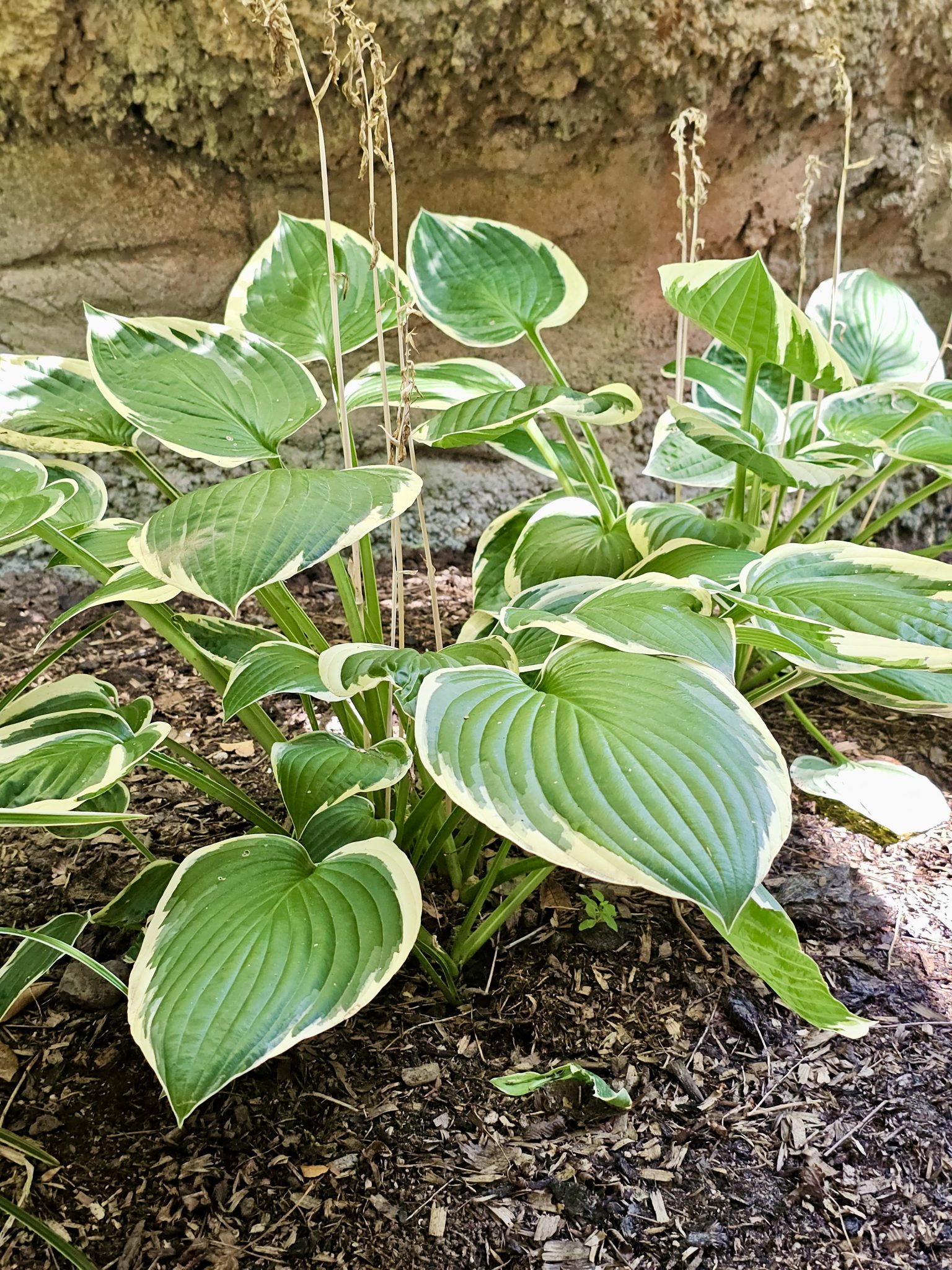
You can fix bare spots under trees and walls using simple shade garden ideas that still look full. Space hostas, ferns, and coral bells eight inches apart to cover empty dirt without crowding their roots. Give the whole bed one inch of water every week in the early morning so leaves dry fast and stay green.
How to test light and prep soil for shade garden ideas that still look full
Check your dark spots at nine in the morning, twelve at noon, and four in the afternoon to count total sun hours. Full shade gets under three hours of sun each day, while partial shade gets three to six hours of gentle morning light. Spread three inches of well rotted leaf mold across your dirt to give weak soil fresh food before you dig.
Mix the organic food six inches deep into the ground using a hand fork for twenty minutes until the dirt feels loose. Wet the new soil with two gallons of water per square yard two days before planting your greenery. Healthy soil keeps moisture low down near roots so your shade plants stay plump during hot summer weeks.

Best low light plants for deep shade beds
Select perennial plants that keep their broad leaves from spring through early winter to avoid bare soil patches. Group plants in odd numbers of three or five to create heavy clumps that block out weeds naturally. Mix different leaf textures like smooth leaves next to fine lace leaves to make the shade space look big and bright.
- Hosta plants: Plant these in full shade and give them two cups of water twice a week around the base.
- Japanese painted ferns: Put these in spots with zero direct sun and keep their soil damp with three cups of water every four days.
- Coral bells: Place these in bright shade where they catch light for two hours each morning.
- Astilbe flowers: Set these in damp soil and pour four cups of water per root group every three days during summer heat.
How to lay out your shade garden step by step
Set your potted plants on top of the soil before digging so you can see the final pattern clearly. Place taller ferns at the back of your border against walls or dark fences. Put wide hostas in the center space and edge the front row with low growing coral bells to build a thick wall of green foliage.
- Dig each planting hole twice as wide as the plastic nursery pot and equal in depth.
- Gently tap the sides of the pot to slide the root mass out without pulling the green stems.
- Set the root ball inside the hole so the top surface sits level with your garden ground.
- Fill empty spaces with loose dirt and press firmly using your flat palms for five seconds.
- Soak the base of each new plant with four cups of water straight away to settle loose roots.
Watering routine and monthly care for full shade beds
Shade plants lose water slower than sun plants, so test the dirt with your finger twice each week. If the top two inches of dirt feel dry, pour one gallon of water around the base of each plant group. Never spray leaf tops late in the evening because wet dark leaves attract slugs and leaf fungus overnight.
Spread a two inch layer of bark mulch across the top of your garden bed every April to hold ground moisture in place. Keep the bark three inches away from plant stems so air moves around the roots without rotting the bark. Learn basic steps for smart Gardening care to spot pests early on broad hosta leaves.
Solving common shade garden problems
Slugs chew hole spots in thin shade leaves when night temperatures stay above fifty degrees Fahrenheit. Scatter coarse eggshells or sharp grit around the base of vulnerable plants in a tight circle two inches wide. Clear fallen damp tree leaves off your small plants every autumn so light reaches lower stems during winter days.
If your low light plants turn yellow, move them four inches away from large tree trunks where root competition is tough. Prune low tree branches eight feet off the ground using hand shears to let sky light slip into your space. You can also mix in potted items by trying a Container garden setting to fill hard spots on dark patio paving.
Comments
Post a Comment